



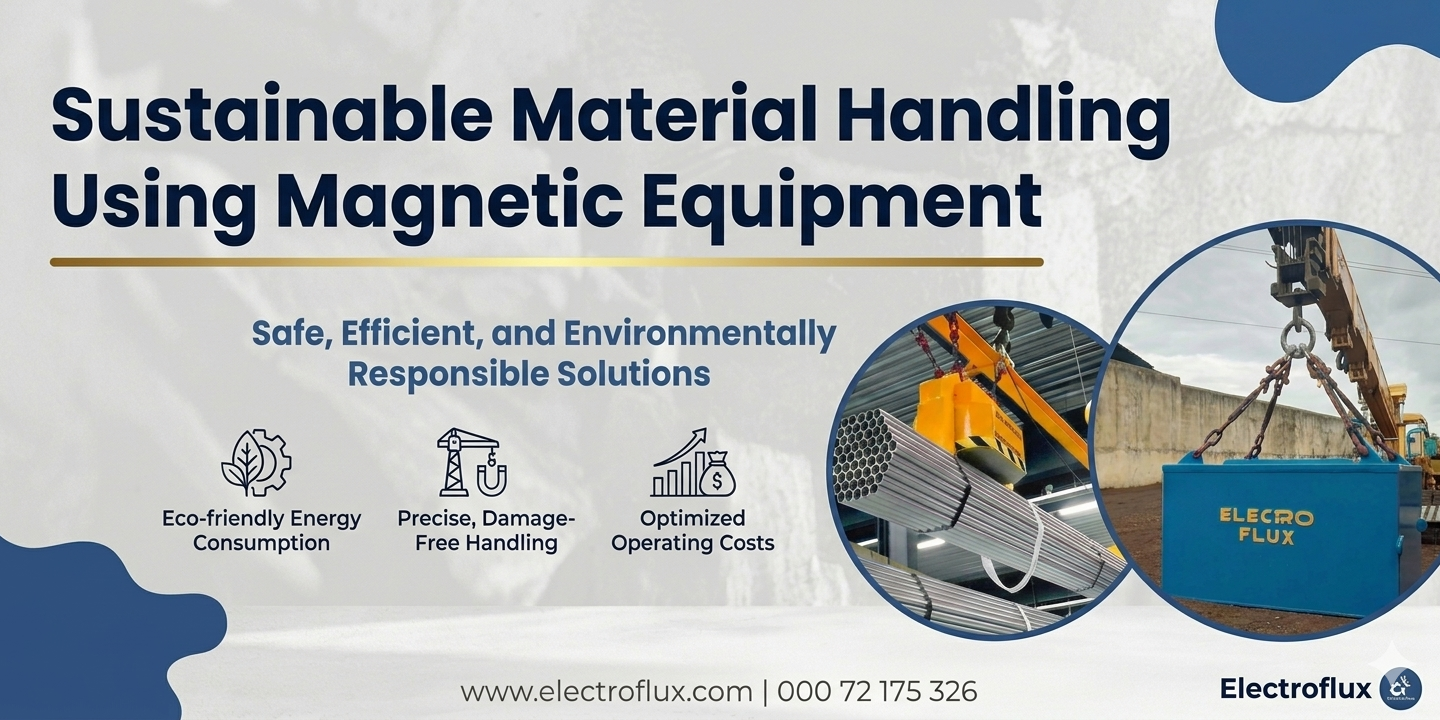
In various industries, materials keep flowing from one point to another, either for processing, storing, or delivering the end product. However, material handling is no longer about transporting materials from one point to another. Managing the flow effectively, minimising wastage, and ensuring smooth operation are very crucial.
To understand this clearly, it is important to know what is material handling equipment in an industrial setup. This refers to the machinery that moves, controls, stores, and processes materials throughout various production stages. If such machinery is designed with contamination control, not only will efficiency improve, but it will also support sustainability efforts by minimising waste and energy use while ensuring that equipment damage is avoided.
Understanding Sustainable Material Handling in Industrial Operations
Before going further, it helps to understand what is material handling in simple terms. Put simply, it is the process of moving, storing, and controlling materials at various stages, such as production, processing, and distribution.
Sustainable material handling revolves around conducting such activities in an efficient manner. One of the challenges that affects industries is the presence of metals within raw materials. Such metallic pieces can come from external sources or from wear and tear in machines.
Failure to remove these contaminants will result in machine damage, increased energy consumption, and loss of materials. This challenge can be solved using magnetic equipment that ensures that metal contaminants are separated early enough. This ensures that the flow of materials remains clean and consistent.
Role of Magnetic Equipment in Material Handling Systems
Not only are material handling equipment useful in moving materials, but they also serve the purpose of making materials ready for the next stage of processing without any problems. The presence of metal contaminants in equipment such as crushers, mills, and conveyors creates issues that result in wear and tear, blockages, and unforeseen breakdowns. This leads to higher maintenance costs, greater energy use, and downtime.
Through the appropriate placement of magnetic systems, it will be easier for industries to deal with contamination before any problems occur. Consequently, it will help maintain a constant flow of material and enable the machines to operate under favourable conditions, resulting in improved sustainability and efficiency.
Key Magnetic Systems Used in Industrial Material Handling
There are different types of material handling equipment that use magnetic technology to ensure a seamless process. Such systems can be used in different phases of production according to the type of material used and the level of contamination. There are several types of magnetic systems that are widely used, including:
-
Drum separators for handling large volumes of bulk materials
-
Overband separators for removing metal from conveyor belts
-
Suspended magnets for protecting machines from damage
-
Magnetic grills for capturing fine metal particles
All these systems are designed to operate in a specific manner, yet their common objective is the elimination of metal contamination in order to ensure a smooth flow of the material. By using them together, efficiency can be enhanced while operational problems can be reduced.
Practical Integration of Magnetic Equipment in Process Industries
In most industries, a proper list of material handling equipment includes magnetic systems as an essential part of the process. The systems are not just a random addition; they are placed at locations where contamination causes the most damage.
For instance, at cement and mining plants, magnetic separators are placed before crushers to prevent machinery damage. At recycling centres, such separators assist in recovering metal from waste, hence improving efficiency. With proper placement, industries will eliminate reprocessing, reduce machine load, and lower energy consumption.
How Magnetic Systems Improve Sustainability in Operations
The use of types of material handling equipment that include magnetic systems plays a big role in making operations more sustainable. Some key benefits of these systems are:
-
Less wear and tear on machines, which increases their life
-
Lower energy consumption due to smooth material flow
-
Better product quality with fewer contaminants
-
Reduced downtime and maintenance needs
-
Recovery of reusable metal materials from waste
These benefits demonstrate that magnetic equipment plays an integral role in efficient, sustainable material-handling operations.
Operational Impact of Magnetic Separation on Resource Efficiency
In industrial material handling systems, magnetic separation can contribute to resource efficiency during the proper movement and processing of materials. Most material handling equipment systems require uninterrupted material flow to operate efficiently.
Metal removal at the appropriate stage ensures that there will be no obstructions and less pressure on equipment in subsequent stages. This is important to ensure efficient operation and prevent the loss of energy caused by inefficiencies.
For recycling industries, the removal of metals through magnetic systems will help recover useful metals that can be reused. They will benefit from this method since there will be less requirement for new raw materials, as it supports better usage of the available resources.
Electro Flux Equipments: Your Partner for Sustainable Material Handling Solutions
Electro Flux Equipments provides magnetic systems that facilitate sustainable material handling within industrial environments. The company is particularly focused on addressing real-world problems like contamination, machine protection, and ensuring steady material movement.
Its products include magnetic separators along with other machinery used in industries such as mining, cement, recycling plants, and steel manufacturing. The company’s equipment is designed for use in very difficult working conditions. With the help of such solutions, industries not only save money but also extend the lifespan of machines and achieve smoother operations.
Conclusion
Material handling does not involve simply handling the materials efficiently. It is also about ensuring that the material is clean, machine protection is maintained, and wastage is minimised. Magnetic equipment is crucial for these goals.
Understanding how magnetic systems fit into material handling equipment is essential for industries to develop reliable processes. Using the appropriate setup makes it possible to conserve energy and minimise wastage.
Through well-engineered magnetic systems, companies such as Electro Flux Equipments continue to offer assistance to industries in developing sustainable material handling processes.