



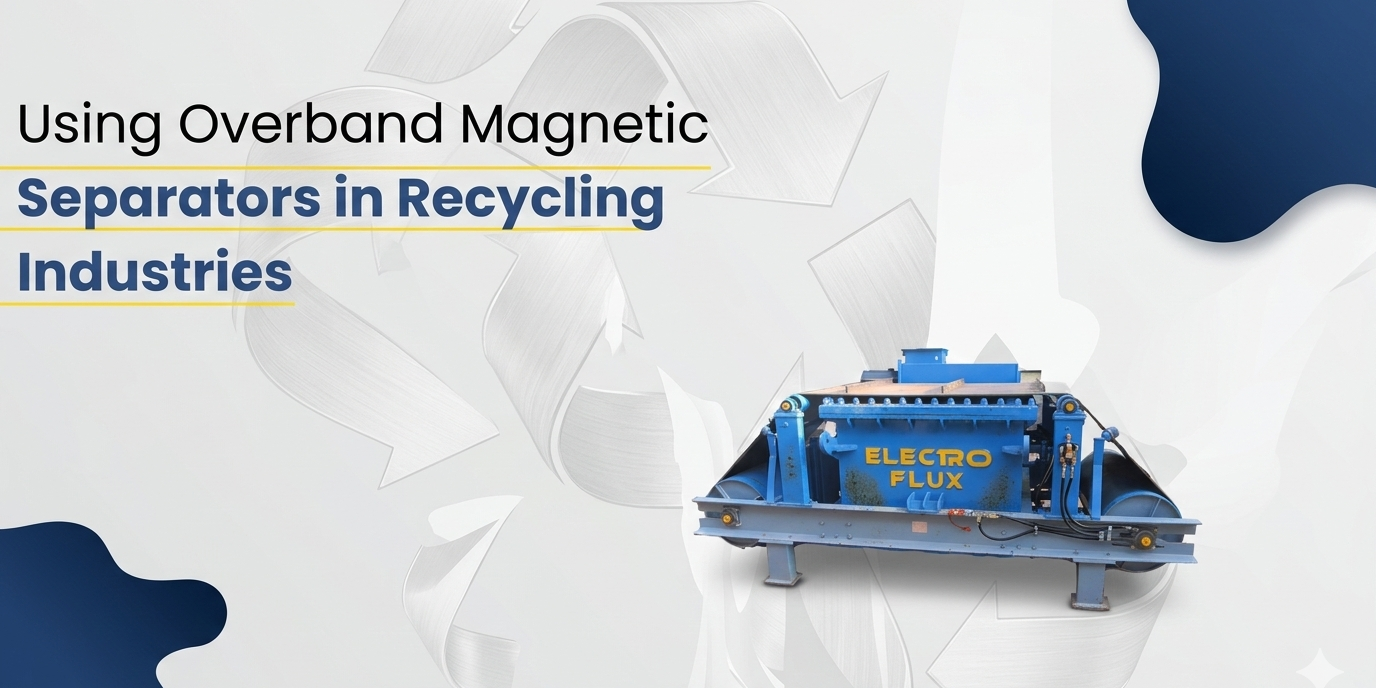
Recycling facilities handle large amounts of mixed waste every day. The waste includes plastics, metals, construction debris and shredded electronics. The presence of hidden metal fragments in these waste streams damages equipment, decreases the quality of retrieved materials and delays the entire operation. With stricter rules and higher quality standards, recycling plants now prioritise detecting problems at their source instead of waiting to correct them later on. The proactive method enhances safety while it guarantees that business operations will progress better over time.
The most effective method for this purpose involves using overband magnetic separators in recycling industries. The machines extract metal materials directly from the conveyor belts. They lift metal pieces before they enter the shredding, crushing, and screening processes, which results in smooth running of operations and ensures that recovered materials are cleaner and more valuable. The implementation of overband separators decreases equipment damage, which results in reduced maintenance expenses while enabling facilities to maintain steady output throughout peak times.
Why Overband Separators Are Essential in Recycling Operations
Even small pieces of metal create major issues at active recycling facilities. An overband magnetic separator machine traps metals which would otherwise damage the downstream equipment. It decreases maintenance expenses while protecting against unexpected downtime, which helps maintain consistent operational performance.
Early metal removal increases the quality of recovered materials. Plants achieve resale standards and regulatory compliance easily. Continuous material flow is also achieved while expensive operational halts are avoided. Early removal of metals creates safer working conditions for employees. It also safeguards essential machinery from long-term harm.
How Overband Magnets Extract Ferrous Metals from Conveyor Belts
The overband magnetic separator for recycling works by creating a strong magnetic field above a moving conveyor belt. As mixed material passes below, steel fragments are pulled up and collected separately, while non-metallic waste continues on the belt. The separator provides fast and dependable separation, which enables plants to operate at maximum capacity without needing to stop their work process.
Modern unit uses self-cleaning belts and automated reject systems to maintain operational efficiency without requiring too much manual attention. Plants maintain their operational capacity through all types of environmental situations, including dusty and rough operating conditions. The use of adjustable magnets enables operators to process various particle sizes and material types, giving operators more control over the process.
Improving Material Recovery Rates in Municipal Solid Waste Facilities
A recycling plant magnetic separator proves to be quite useful in municipal solid waste facilities. By removing things like ferrous metals early, materials like plastics, paper, etc., can be processed without contamination.
Cleaner recovered materials are more valuable. They are also easier to sell. Facilities using overband separators often see higher yields while also experiencing smoother operation of sorting and baling equipment. Over time, consistent metal removal helps plants meet stricter environmental standards. They are also able to maintain their reputation with customers as well as regulators.
Protecting Shredders and Downstream Equipment from Metal Damage
Removing metal before it reaches critical equipment prevents shredders, granulators, and screens from wearing out or suddenly failing. Successful ferrous metal removal in recycling process means less maintenance is required. Removing the metals early helps plants:
- Avoid unexpected shutdowns.
- Ensure safe operation.
- Prevent contamination of recovered materials.
This also helps maintenance teams plan work more effectively and reduces the chances of expensive repairs, which is a big advantage, especially in bigger recycling plants.
Suspension Height and Belt Speed: Critical Installation Parameters
The working of an overband separator is highly dependent on the manner in which it is installed. The height above the conveyor and the speed of the belt have to be properly set. If installed correctly, the overband magnetic separator machine will efficiently remove metal from the material.
Other considerations include conveyor width, material depth, and magnetic strength. Well-adjusted separators ensure consistent metal removal, even during peak times. Some facilities also employ monitoring systems that enable real-time evaluation of separator performance, giving operators the opportunity to make adjustments before problems impact production.
Selecting Overband Systems Based on Waste Stream Composition
Before making a decision, it is necessary to understand how the system will fit in the plant layout. Proper spacing and alignment will result in improved performance and ease of maintenance. It is also important to understand the composition of the waste stream to ensure that the system can handle the different types of materials.
Key Factors for Choosing the Right Separator
- Type and size of ferrous contaminants
- Bulk density and particle size of the material
- Volume and speed of material on the conveyor
- Environmental conditions, including moisture and dust
By considering these points, plants can pick an overband magnetic separator for recycling that maximises recovery and keeps maintenance low. Modular and adjustable designs let operators adapt to changing waste streams without major layout changes.
How Electro Flux Equipments Helps Recycling Plants Overcome Magnetic Separation Challenges
Electro Flux Equipments offers a wide range of reliable overband magnetic separators in recycling industries built for tough plant conditions. The equipment is well-suited for continuous operation, with powerful magnetic fields allowing for considerable installation options for different conveyor layouts.
With deep application knowledge, customisation options, and responsive support, Electro Flux Equipments helps recycling plants remove ferrous metals efficiently. The company allows facilities to protect downstream equipment and improve overall material recovery. Their expertise ensures separators deliver consistent results and support long-term plant efficiency.
Conclusion
The removal of ferrous metals is very important for efficient and safe recycling. Overband magnetic separators in recycling industries ensure cleaner material, protect equipment, and maximise recovery rates. The plants just need to choose the right system and install it properly. They would also need to adjust it carefully as well.
With its engineering expertise and diverse line of reliable products, Electro Flux Equipments remains a reliable partner for recycling plants. Those who are seeking lasting performance and optimised operations would need to invest in quality magnetic separation technology.